With all the information put forth, it’s looking more and more likely that River was set up to be a sacrifice. Set up by the golden gods. Set up by the rulers of the darkness of this world, and set up by the people who loved him the most. He was to be their god, and they were to be his people.
Recorded sometime between September/October of 1990, Losing My Religion went on to become R.E.M.’s highest chart-topping hit. From the album, Out of Time, the single was released on February 19, 1991. The music video accompanying the single is full of religious iconography, but it also tells a story. Within the lyrics and within the video itself, the story behind the scenes involving River and Michael Stipe becomes more prevalent the closer you look. As Michael sings about being in the corner, being in the spotlight, and being a fool, the video flashes images of a young boy tied to a tree, a wounded old man who loses his wings, and an angelic being decked out in gold. River’s tragic story plays out before us as Michael steers it along choosing his confessions along the way.
The beginning scene for the video is a recreation of a scene from the film, The Sacrifice, a 1986 drama written by Andrei Tarkovsky. The film centers on a middle-aged intellectual who attempts to bargain with God to stop an impending nuclear holocaust.
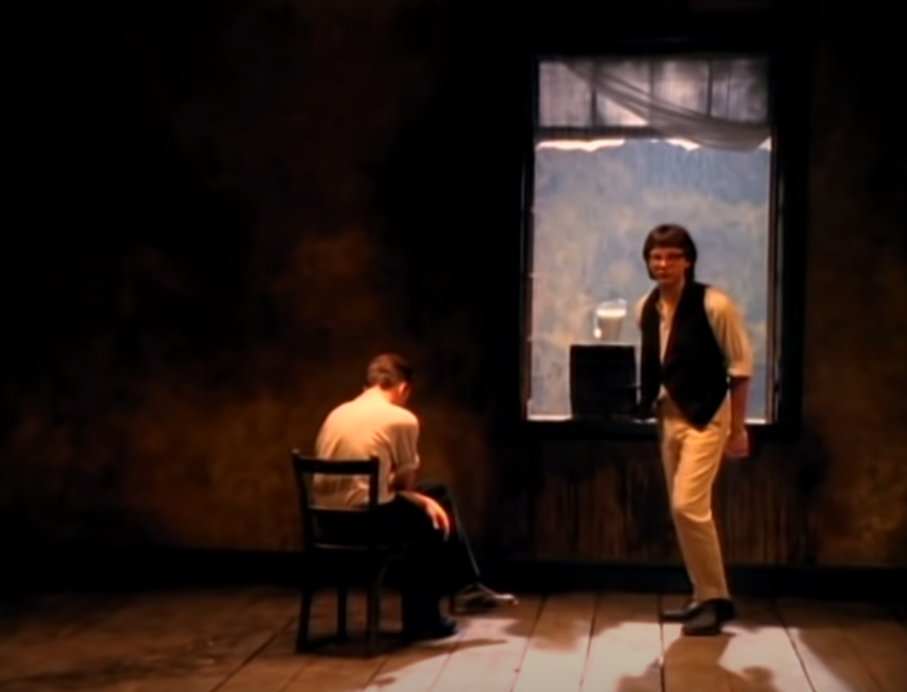
In the R.E.M. video, Michael Stipe sits in front of an open window with water dripping down. A pitcher of milk sits on the windowsill as his bandmate stands beside the pitcher in a vest. This scene is reminiscent of the scene from Stand by Me with the older brother, Eyeball Chambers, in a blue vest. The open window with the water dripping down seems to link back to the song, Belong, featured on the same album. “She opened the window, a breath, this song, how long, and knew; belong.” Michael is dressed in a white shirt with black pants symbolizing the word, or more to the point, the spreader of that word. He can be thought of as the priest or the father of the word. He is Eyeball Chambers, the diviner who sees into the future and then sings the gospel. The pitcher of milk holds a sexual innuendo related to reconnecting with a dying god. The pitcher falls off the windowsill, the milk is spilled, and the song begins.
Oh life, it's bigger, It's bigger than you, And you are not me, The lengths that I will go to, The distance in your eyes, Oh no, I've said too much, I set it up
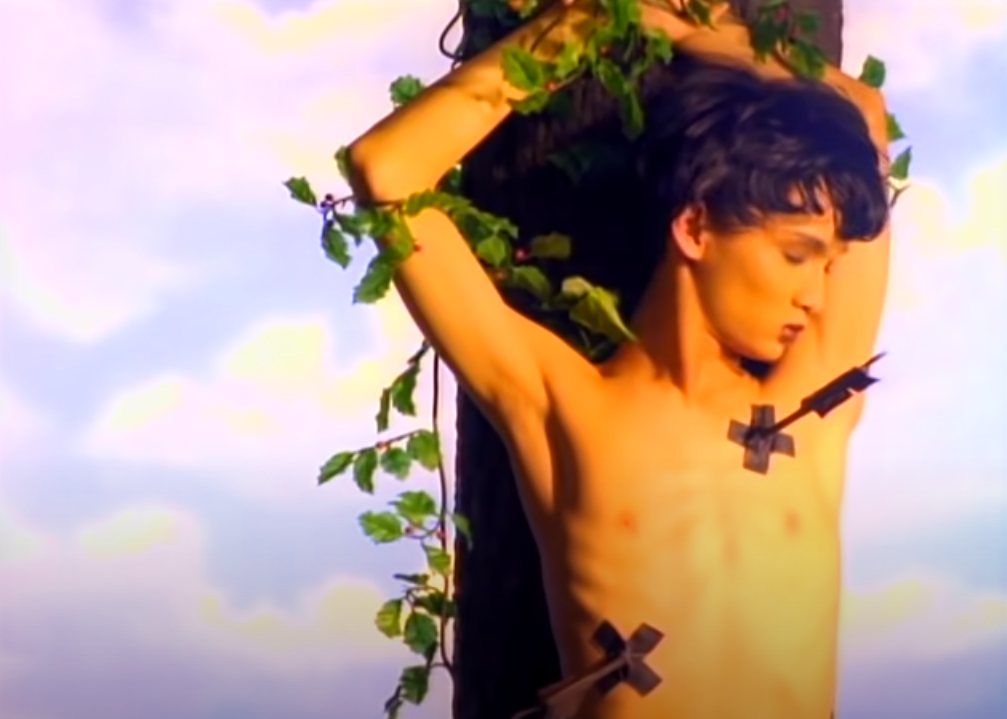
A young boy is seen tied to a tree with an arrow in his heart and in his rib cage. This can be viewed as River as the hanged man. The word in his heart (Stand by Me) has trapped him in a cage.
That's me in the corner, That's me in the spotlight, Losing my religion, Trying to keep up with you, And I don't know if I can do it, Oh no, I've said too much, I haven't said enough
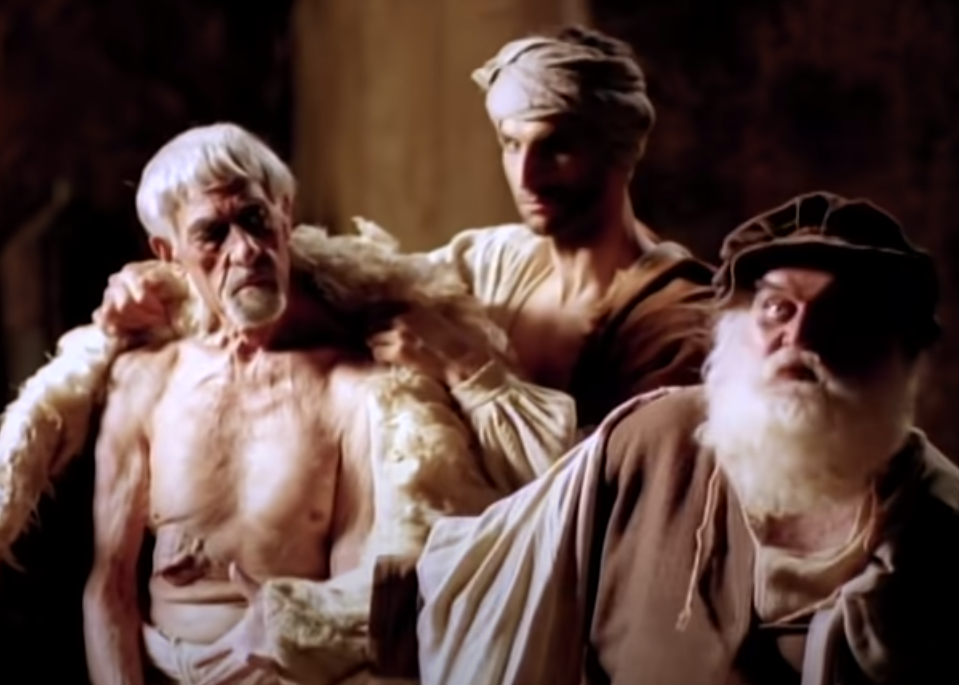
An old man is shown with the same wound in his side as his wings are being removed. This represents River as the old man who has not reconnected with a dying god. The slate has not been wiped clean, the cycle not restarted, so he is the hanged man.
I thought that I heard you laughing, I thought that I heard you sing, I think I thought I saw you try
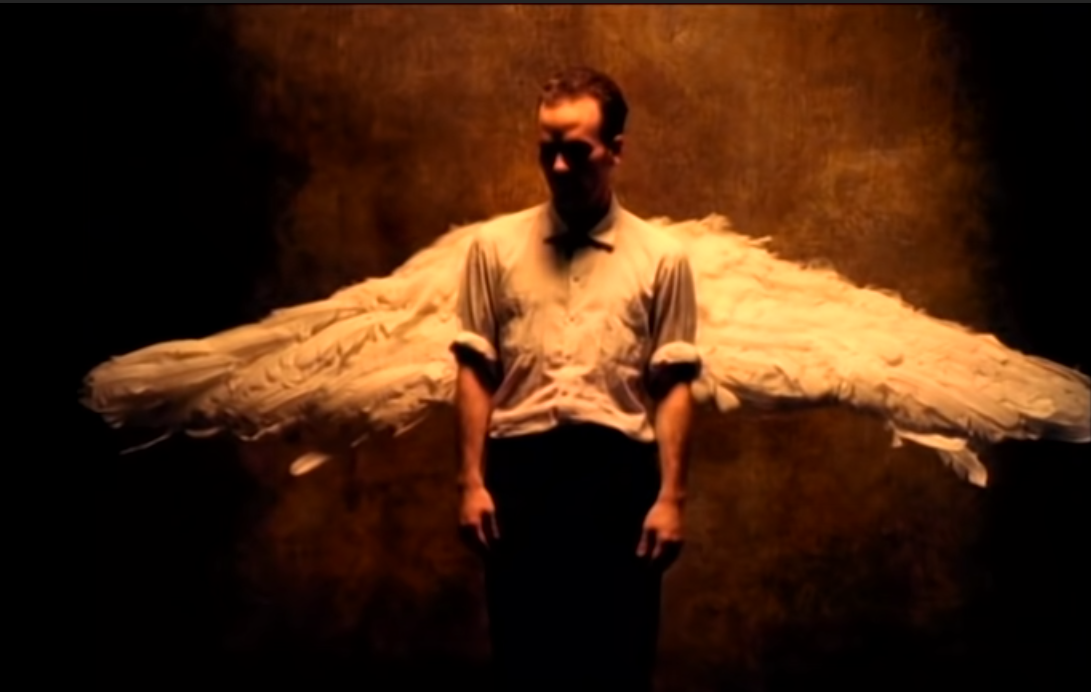
Michael Stipe is shown with wings indicating that he is connected to a dying god. He is connected to the spirit realm (the realm of the golden gods) which is how he sees into the future.
Every whisper, Of every waking hour, I'm choosing my confessions, Trying to keep an eye on you, Like a hurt, lost and blinded fool, fool, Oh no, I've said too much, I set it up
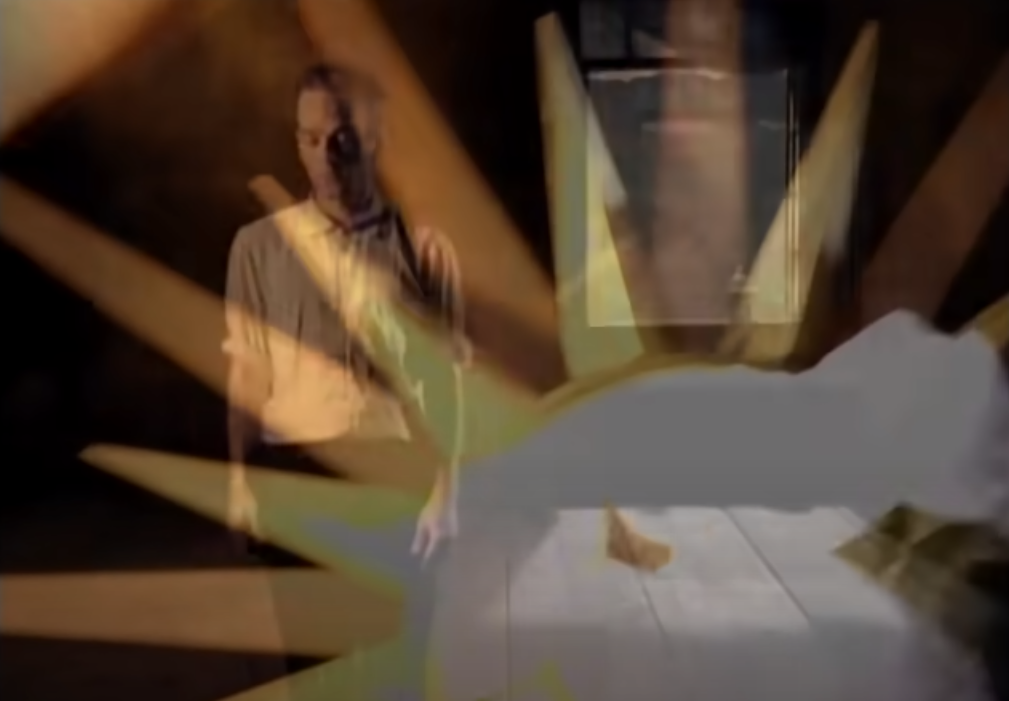
Michael stands next to the open window with an imprint of the sun covering the screen. This is another reference to the light (or news) from the golden gods. The sun also resembles the crown on the Statue of Liberty. The seven spikes represent completion, seven being the number of perfection, i.e., God created the heavens and the earth and then rested on the seventh day. Lady Liberty steps out of her shackles bearing a torch and the law of the land – as did Michael. Imprisoned by the prophecy written on his own heart, he blessed and glorified that word through his music, setting himself free and ensnaring River.
Consider this, Consider this, the hint of the century, Consider this, the slip, That brought me to my knees, failed, What if all these fantasies come, Flailing around, Now I've said too much
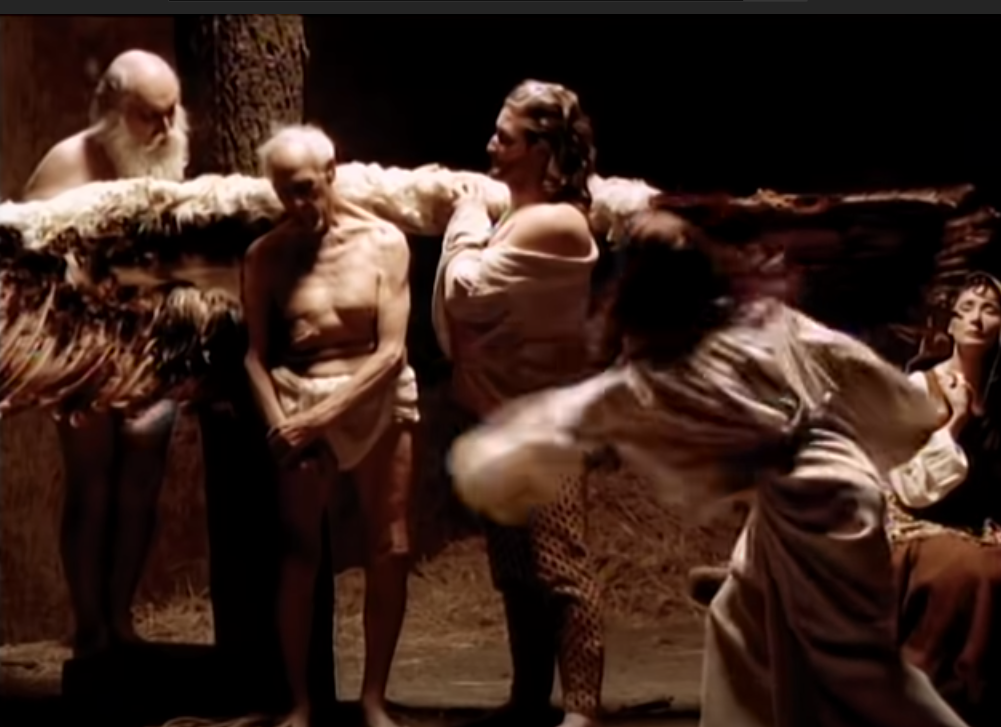
The old man stands next to a tree as a giant wing is held up behind him. This represents the death of the old man on the cross and the birth of the golden god. It represents the flood outside of the Viper Room and River’s rebirth via the seed of the giants — the word in his flesh.
I thought that I heard you laughing, I thought that I heard you sing, I think I thought I saw you try
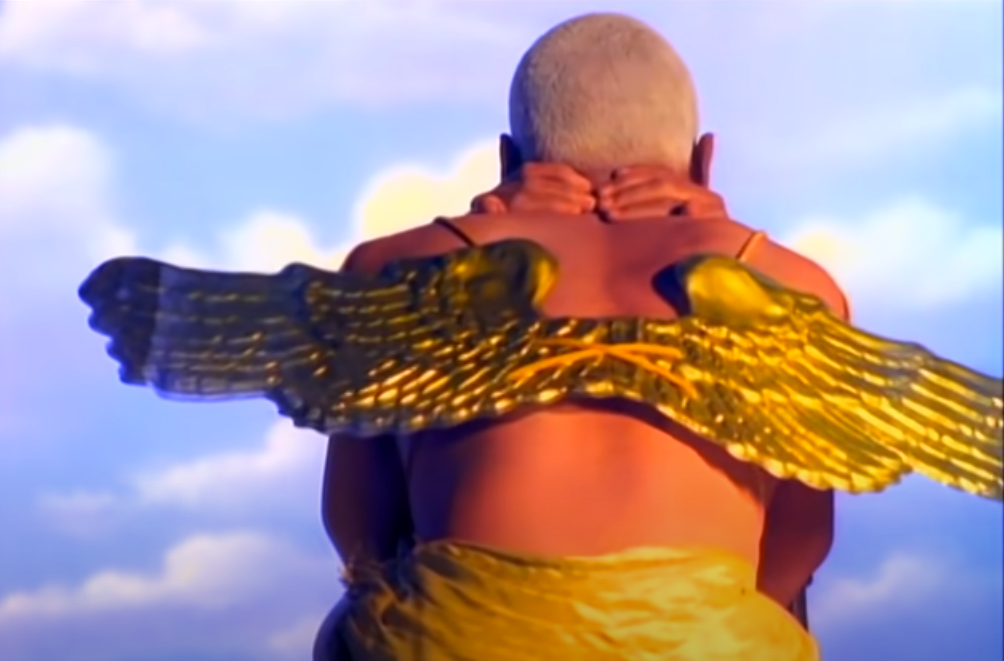
An angel with golden wings turns his back to the camera. His hands are around his neck and an “X” is placed in the middle of his wings. The golden god is born from the DNA of the dying god, i.e., River’s rebirth into another realm.
But that was just a dream, That was just a dream
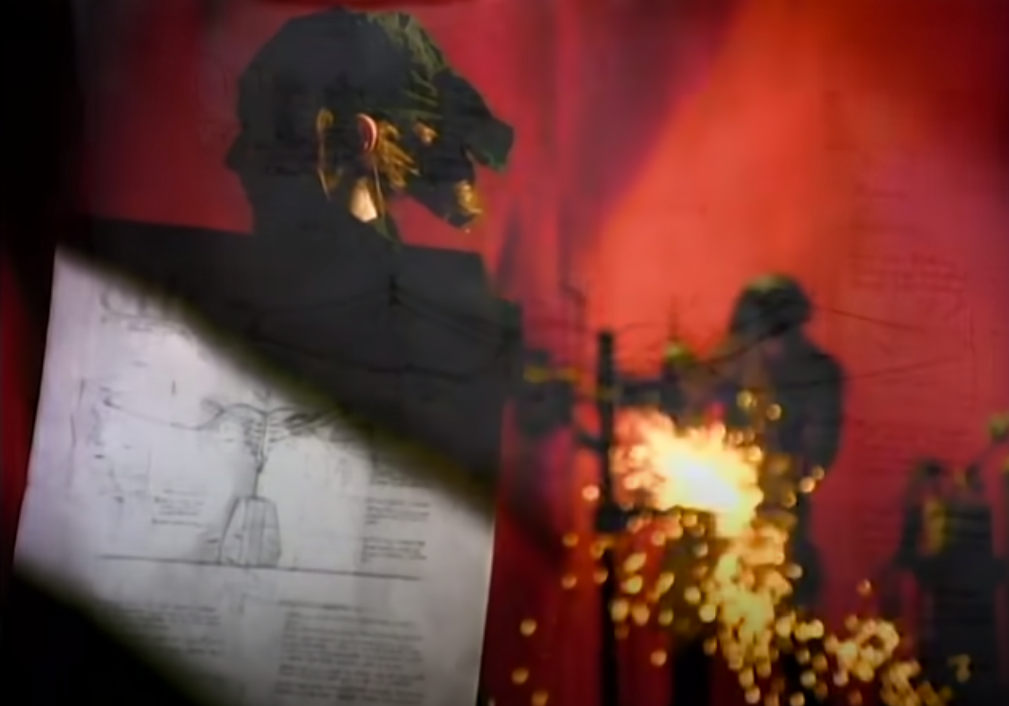
A blueprint is shown for the making of a golden god – forged in fire by connecting to their world via fornication. The red background represents DNA, red blood cells, and the point of origin. The end meets the beginning forming a palindrome or an RNA hairpin loop.
That's me in the corner, That's me in the spotlight, Losing my religion, Trying to keep up with you, And I don't know if I can do it, Oh no, I've said too much, I haven't said enough
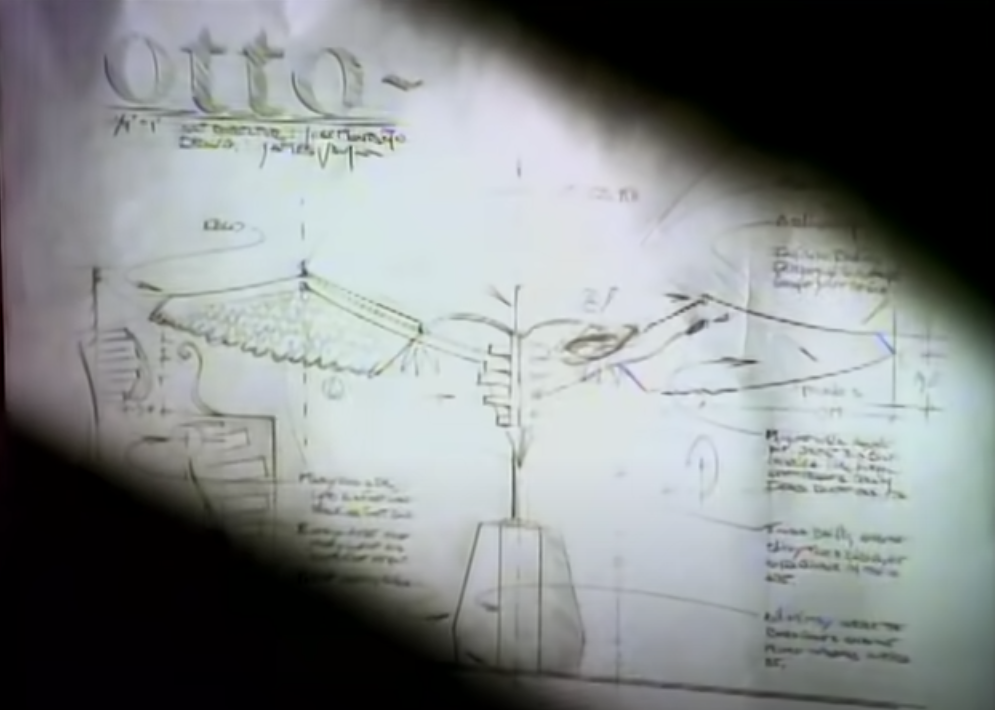
A close-up of the blueprint reveals the name “Otto” which is a German given name meaning “wealth and prosperity.” It is also a palindrome. Otto also appears in the film, The Sacrifice, as a friend to the main character, Alexander. Otto is a postman who delivers a birthday card to him. Otto, like Bob Pigeon from My Own Private Idaho, represents the word sent down from “heaven.” It represents the word written in the flesh or the news (the postman) from the golden gods. Alexander, like Ace from Stand by Me, or the big blue “A” found in Indiana Jones, represents the spot, the blue point, or the point of origin, hence, the birthday card.
I thought that I heard you laughing, I thought that I heard you sing, I think I thought I saw you try
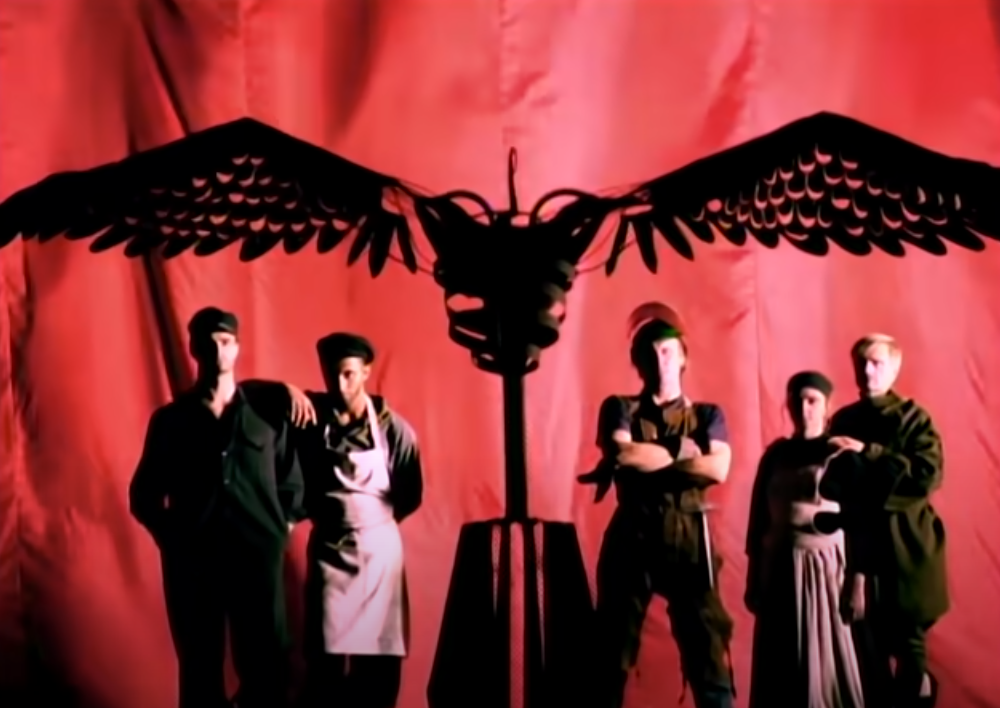
The finished product. Similar to the Sacred Heart of Jesus in Catholicism, the above image depicts a heart-like shape with wings. The five workers represent the hand of the golden gods and their binding contract in the blood.
But that was just a dream, Try, cry, why try, That was just a dream, Just a dream, Just a dream, dream
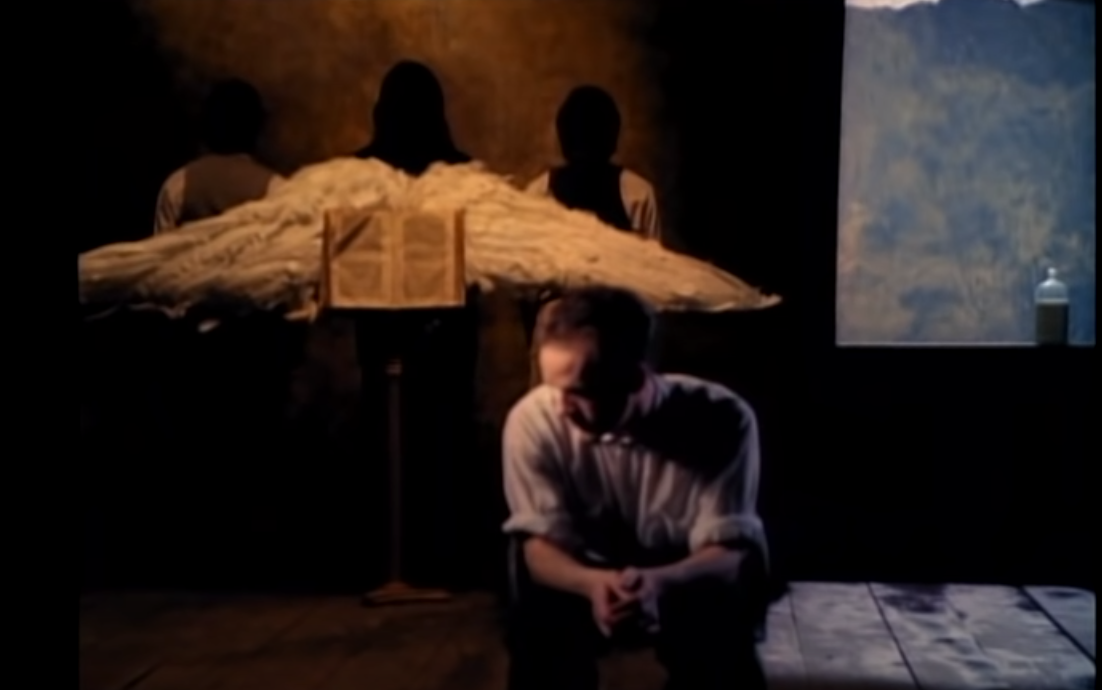
At the end of the video, Michael Stipe kneels down with an open book and angel wings set behind him. His three bandmates stand with their backs turned. This represents the completion of the word sent down from “heaven,” or the word made flesh. The three bandmates represent the godhead. At the end of the film, Sacrifice, Alexander’s son, Little Man, lies at the foot of a tree and speaks his only line in the film quoting the opening Gospel of John, “In the beginning was the Word.”
On the window sill, the pitcher of milk is gone and a bottle full of liquid is set in its place. This represents the fullness of the time and River’s body as a ticking time bomb. The molten brew is ready to explode, thus, “let it flow.”
Michael Stipe has repeatedly stated that the song’s lyrics are not about religion. He told The New York Times that the song was about romantic expression. He told Q that it’s about “someone who pines for someone else. It’s unrequited love, what have you.”
Country Feedback
Although never released as a single, the 10th track from Out of Time, Country Feedback, provides an emotional account of a complicated relationship. The music video was released on a 50 minute video called, This Film Is On, released on September 24, 1991. It was then released on DVD format on August 22, 2000, seven years after River’s death and a day before what would have marked his 30th birthday. The title of the video was taken from the song.
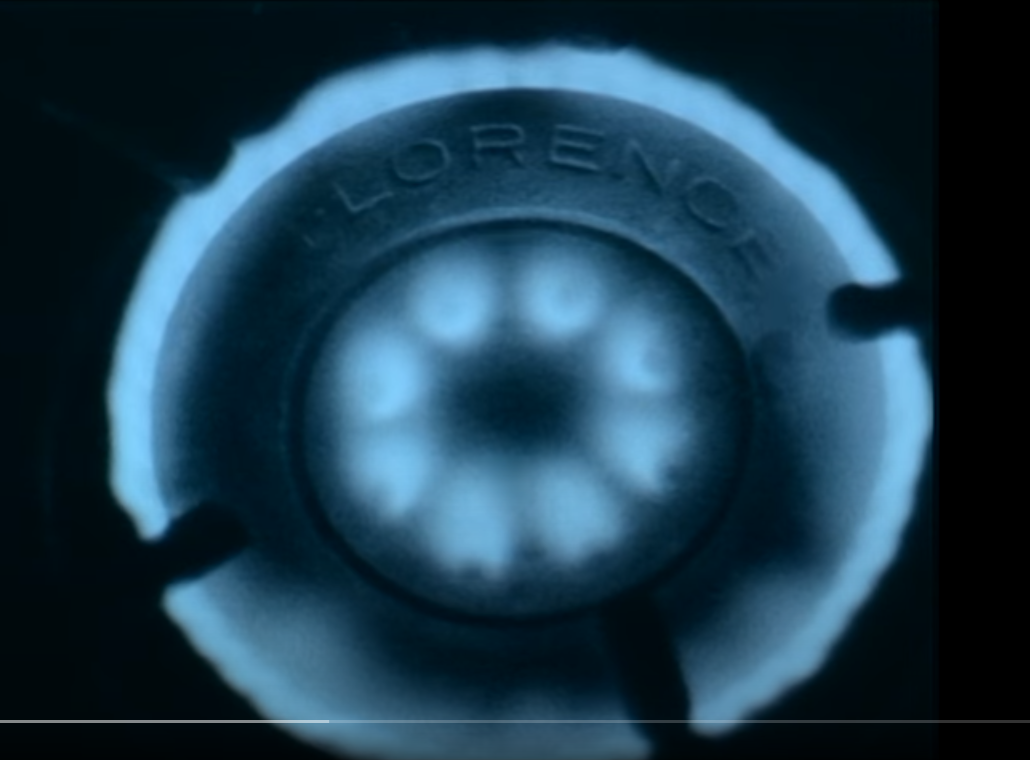
The video begins with a glowing object that has quite a similar appearance to that of a UFO or even a cell (as found in biology). And while the item is most likely the headlight from a train, the symbolism is not lost. The word “florence” appears on the upper part of the object which is derived from the Latin words “florens” or “florentius” meaning “blossoming.”
This flower is scorched, this film is on, On a maddening loop, these clothes, These clothes don't fit us right, I'm to blame, It's all the same, It's all the same
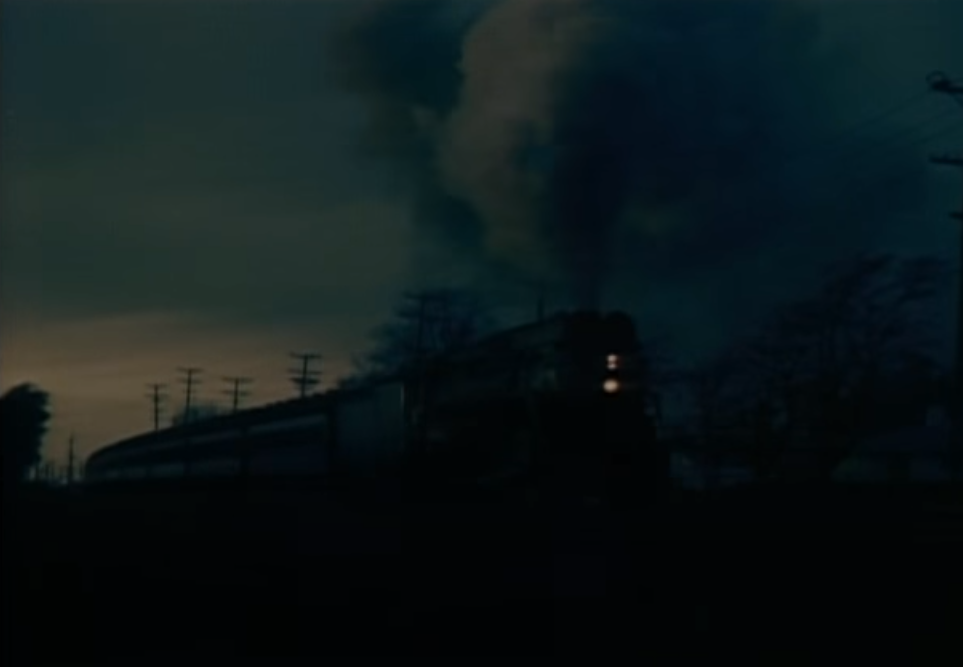
A train is then seen rolling across the dark screen. Like the train that killed Ray Brower in Stand by Me, or the circus train in Indiana Jones, it represents the coming translation of the RNA virus.
You come to me with a bone in your hand, You come to me with your hair curled tight, You come to me with positions
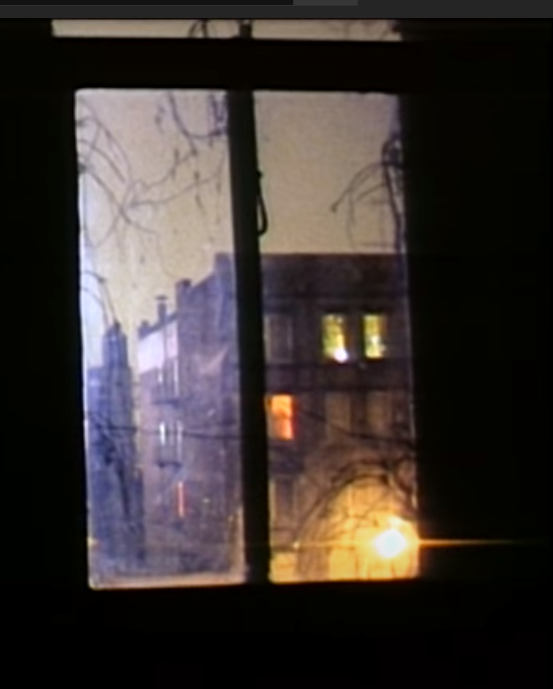
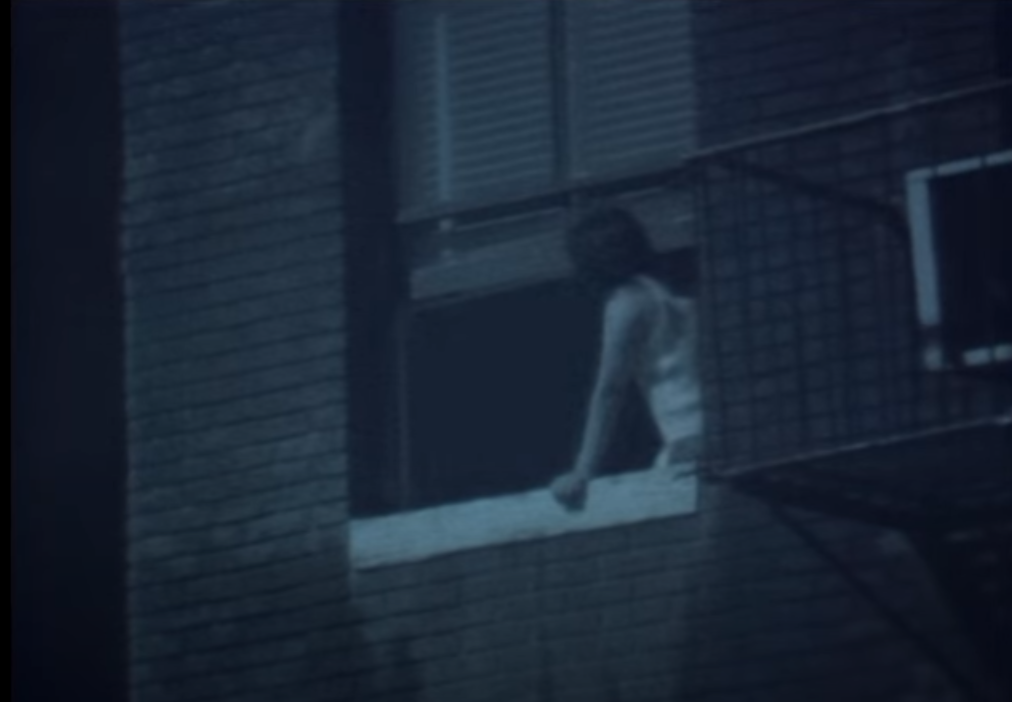
Windows appear throughout the video, and like the ones featured above, they represent the spirit realm, or the realm of the golden gods. Gold, yellow and red light shines through the windows in the first photo. A woman opens the window and peers out in the second. “She took the child held tight, opened the window, a breath, this song, how long, and knew, knew; belong…Her world collapsed early Sunday morning.”
You come to me with excuses, Ducked out in a row, You wear me out, You wear me out
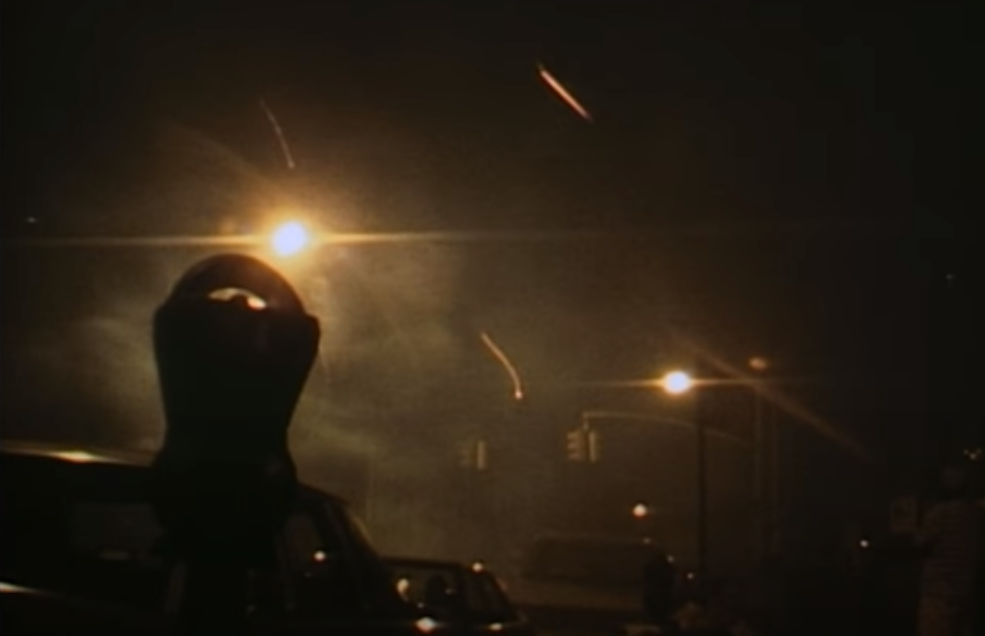
Sparks are also seen throughout the video. In the screenshot above, gold sparks and white lights outlined in gold are shown with a parking meter in the foreground. This represents the time cycle and the fruition of the word. Like the “30 Minutes” parking sign River stood under in My Own Private Idaho, it represents the point of origin and not resetting the clock.
We've been through fake-a-breakdown, Self-hurt, plastics, collections, Self-help, self-pain, EST, psychics, f*ck all
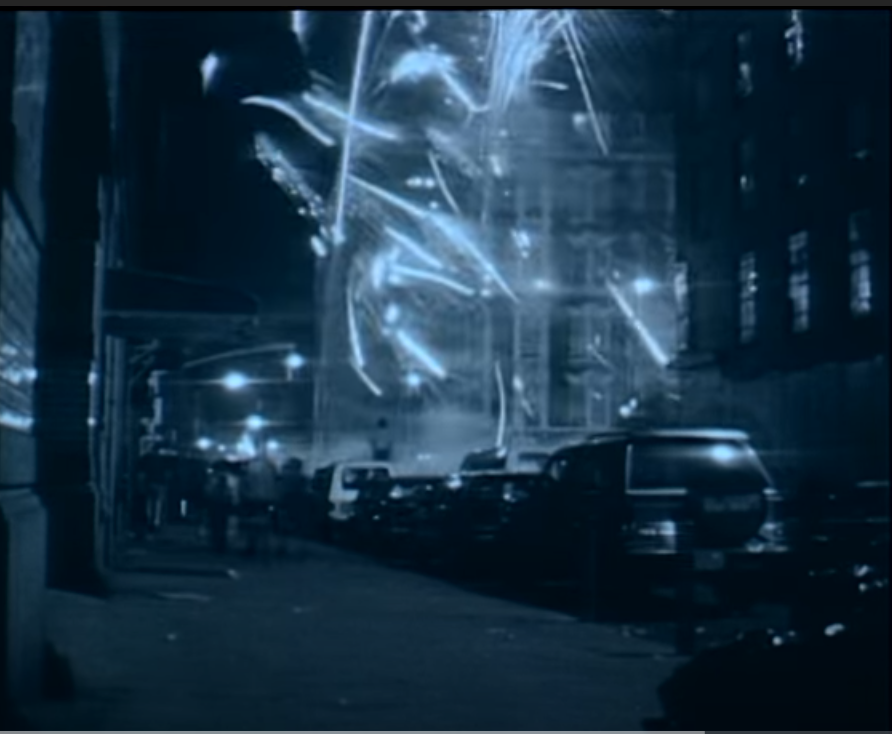
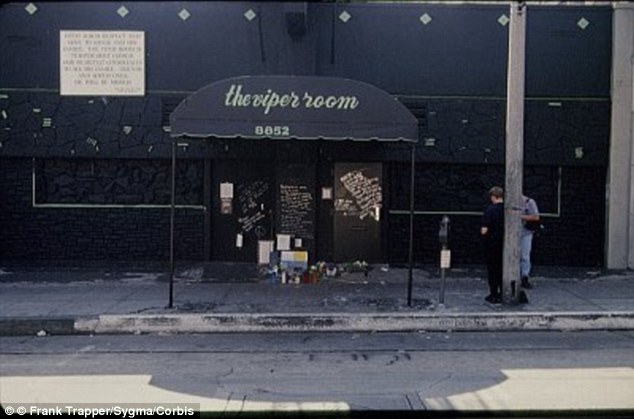
A large amount of sparks are seen above a sidewalk as a large group of people gather in the background. This scene is eerily similar to the sidewalk outside of the Viper Room where River collapsed surrounded by a group of people.
I was central, I had control, I lost my head, I need this, I need this
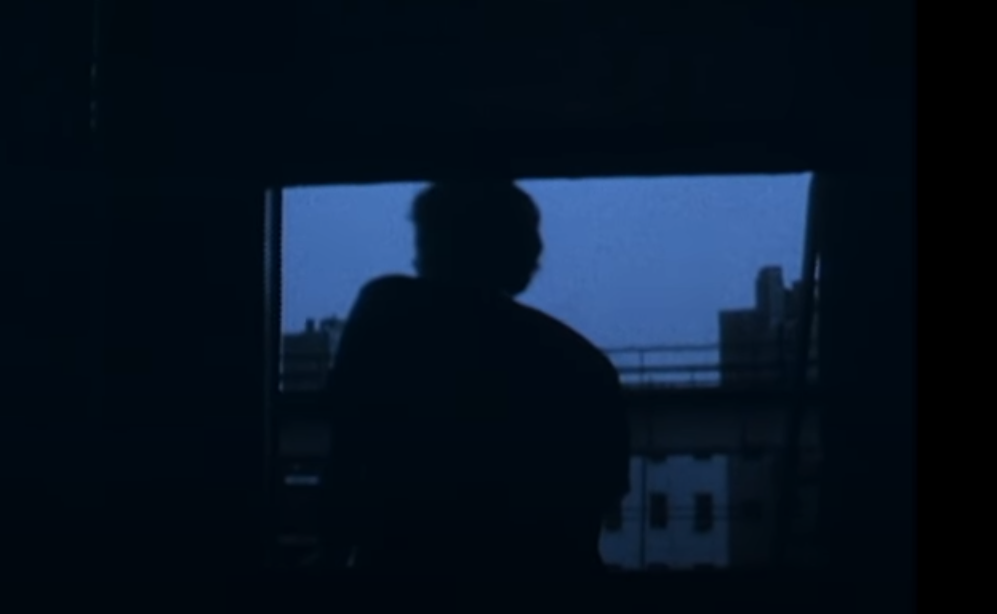
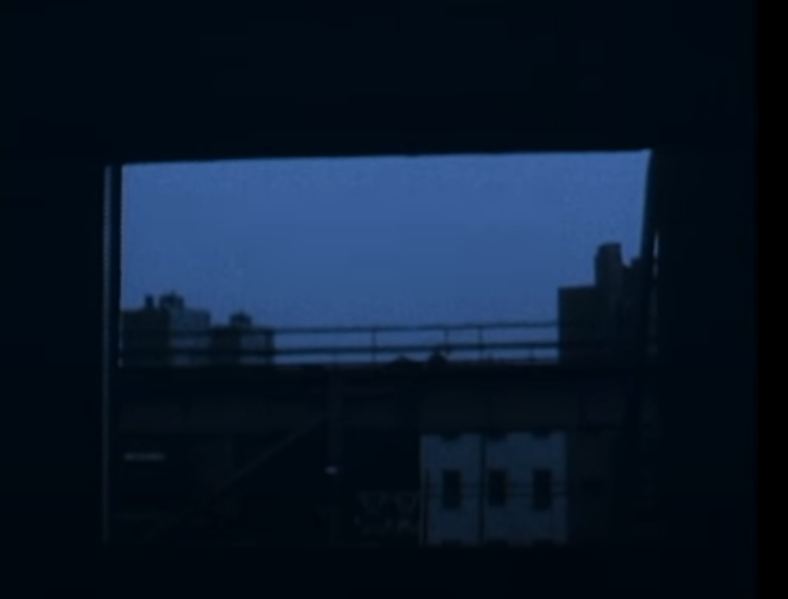
The silhouette of a man is seen with a bridge in the backdrop. One shoulder is lifted up while the other is lowered. The man disappears and a train barrels across the bridge from right to left. A woman appears on the screen and begins talking as the train returns traveling in the opposite direction from left to right. The woman represents the dying god. The train leaving and returning represents the palindrome or the translation of the word. The bridge represents connecting with a dying/golden god as do the man’s shoulders (as above so below). The man disappearing represents his refusal to reconnect.
A paperweight, junk garage, Wedding ring, a honey pot, Crazy, all the lovers have been tagged
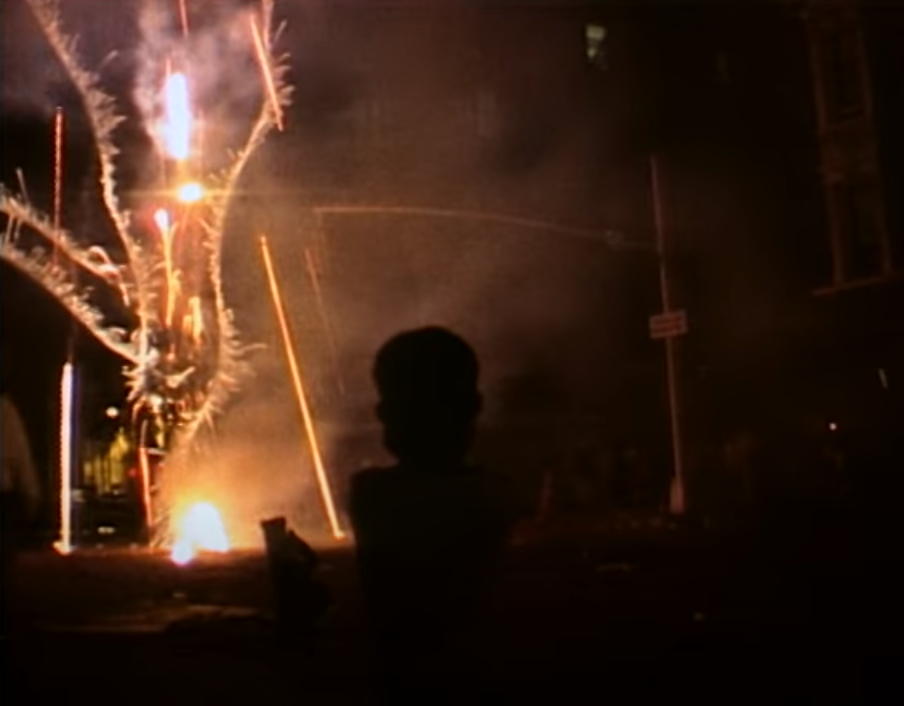
A child appears in the foreground as fireworks erupt on the street. The child’s arms are hidden with his shoulders, once again, representing wings. Here, we have River’s rebirth as a golden god.
A hotline, a wanted ad, It's crazy what you could've had
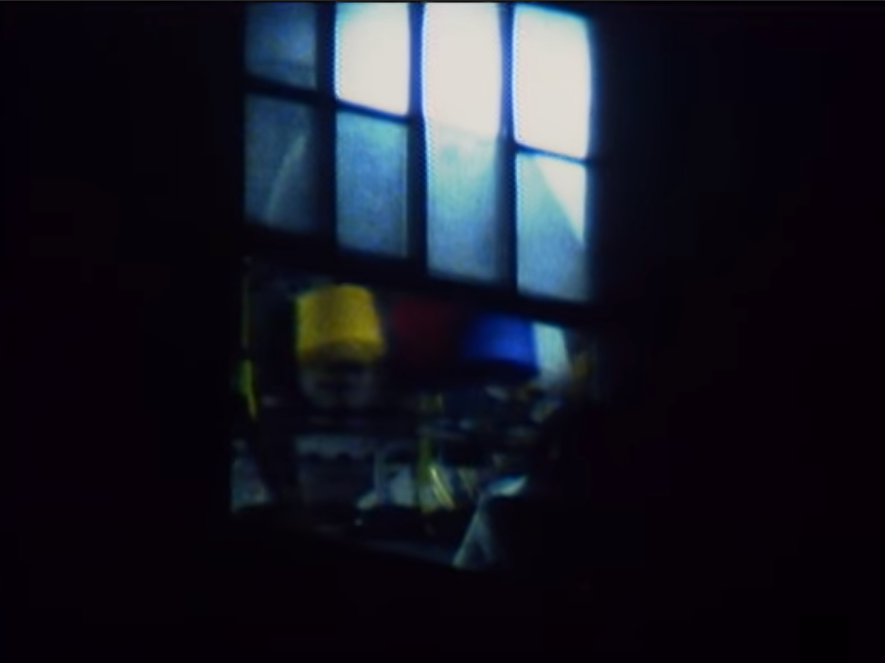
Through the window is a carousel with various colors spinning around. This represents the time loop initiates are on until they reconnect with a dying god or fulfill their fate. It also represents the color-coded system discussed thus far.
It's crazy what you could've had, It's crazy what you could've had, I need this, I need this
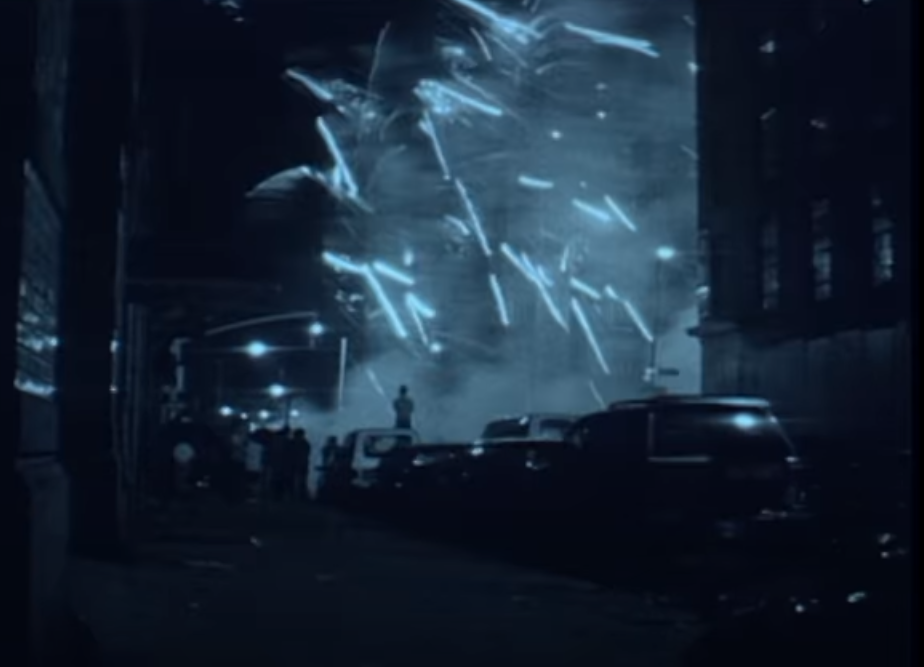
Another shot of the sidewalk scene. The man standing on a car represents the diviner, the prophet, or seeing into the future.
It's crazy what you could've had, Crazy what you could've had, I need it, I need this
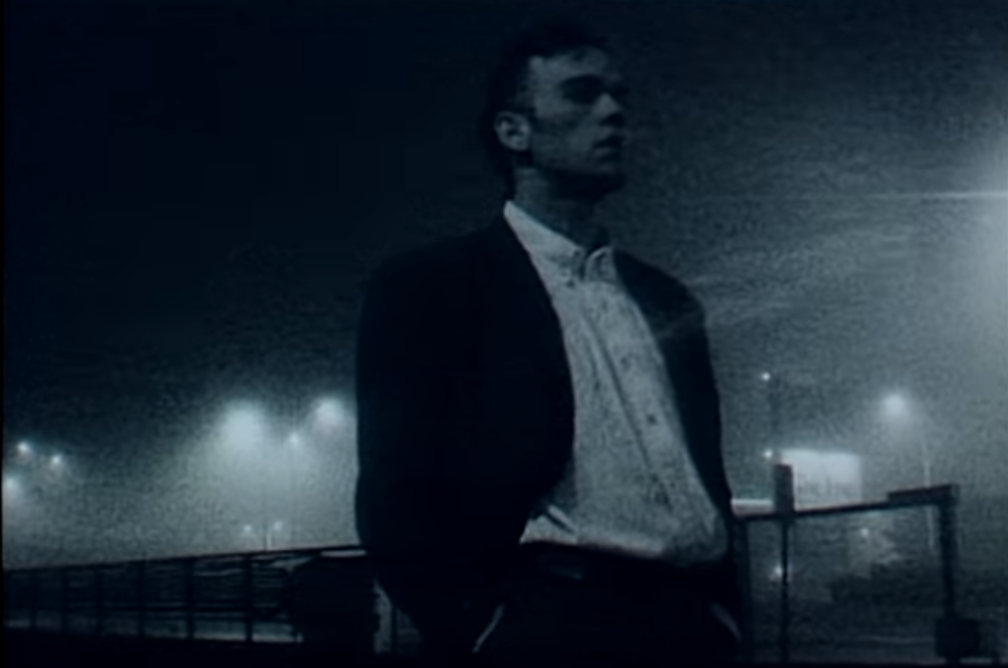
Dressed in black and white, Michael Stipe watches for the incoming train with both hands in his pockets.
It's crazy what you could've had, It's crazy what you could've had, I need this, I, I need this
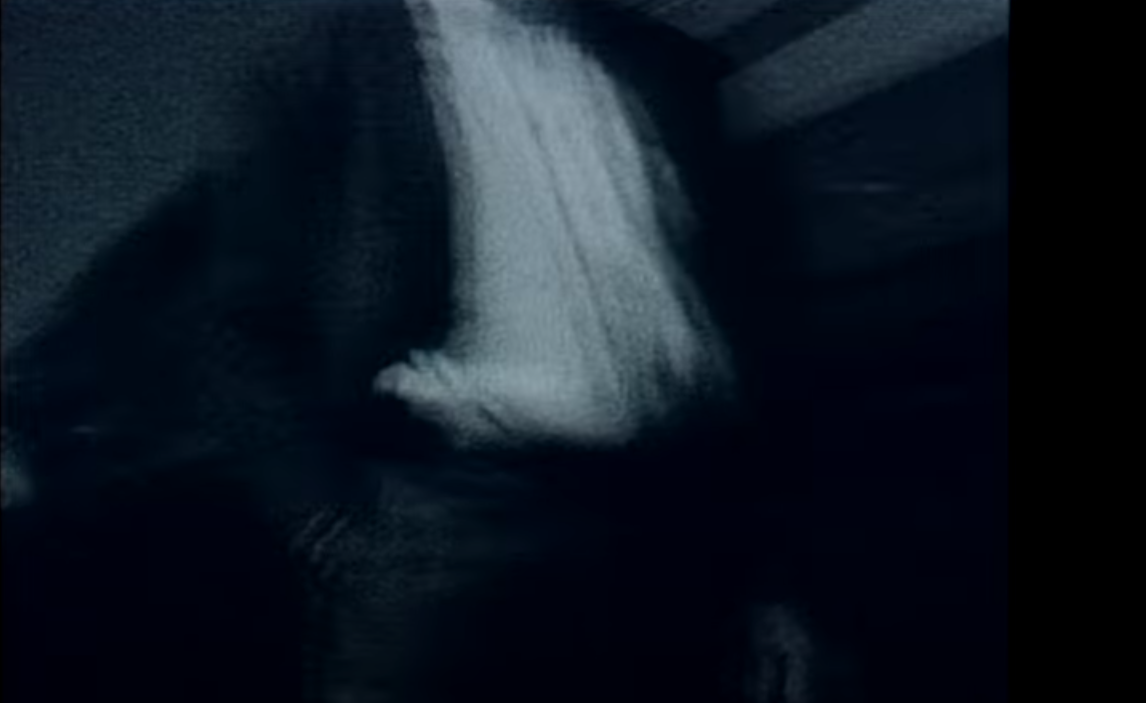
As the train approaches he pulls his left hand out of his pocket – the prophet finishes writing the gospel. R.E.M. released their 8th album, Automatic for the People, in October of 1992.
It's crazy what you could've had, I need this, I need this
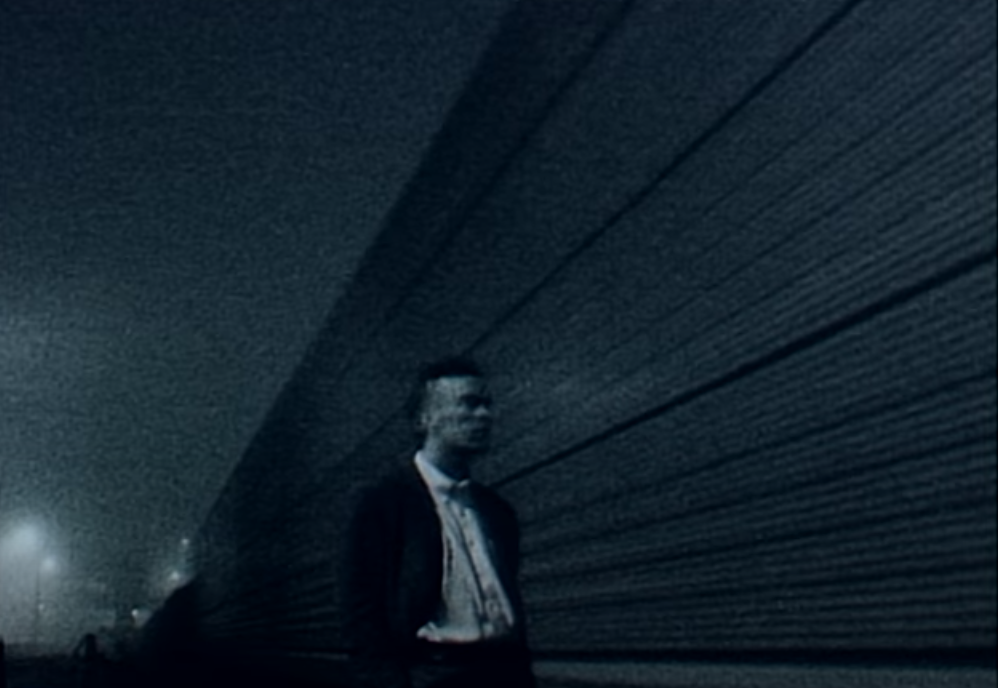
With both hands now back in his pockets, he watches as the train passes by.
It's crazy what you could've had, Crazy what you could've had, I need this, I need this
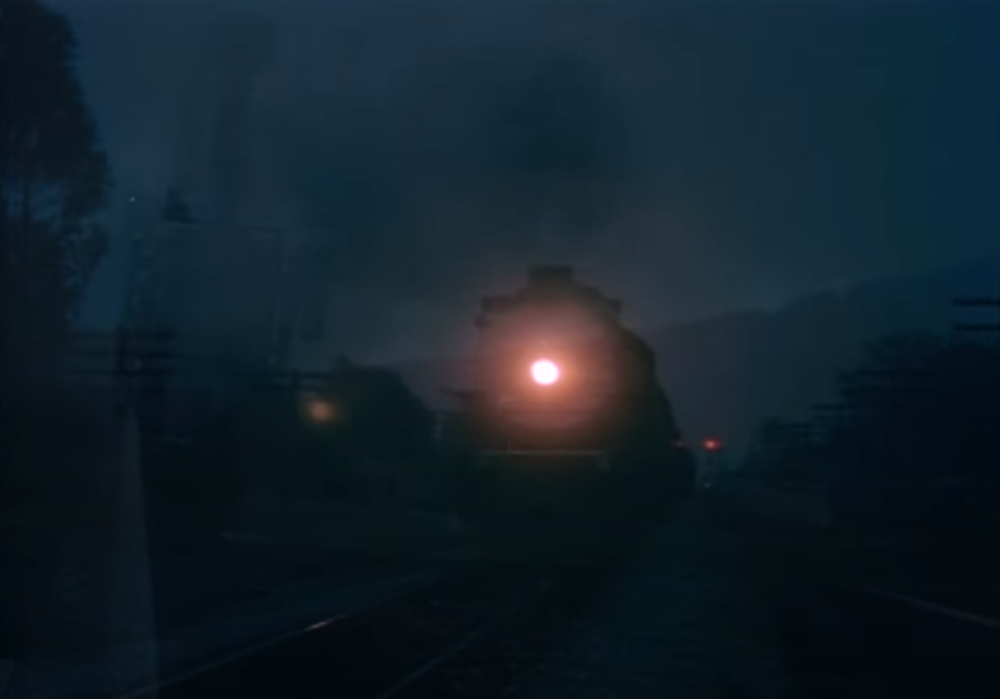
The video ends with an incoming train. The last departed time is now the destination. Here, we have the yellowish gold light (last departed time) along with the red light (destination time). The end meets the beginning.
Crazy what you could've had, Crazy what you could've had
Lyrics sourced from azlyrics.com
 The Apple and the birdcage